
What Is a Noun? Types and Examples Explained
What Is a Noun? Types and Examples Explained
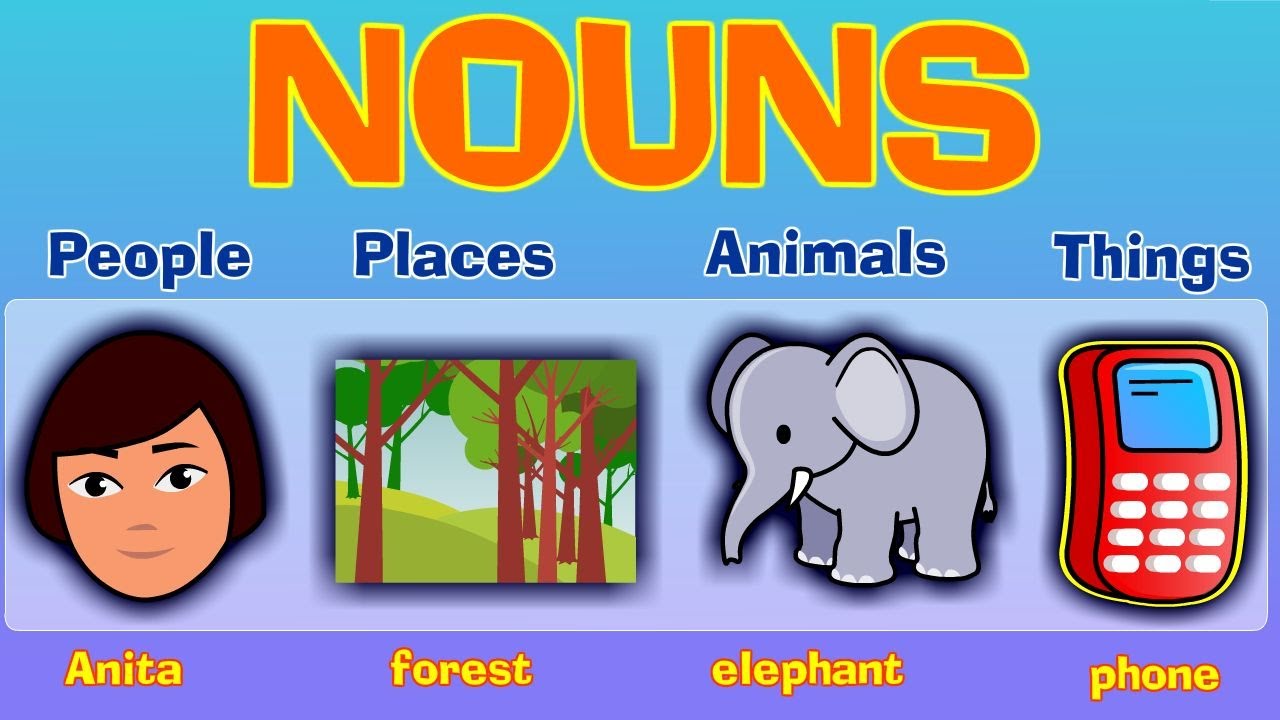
A noun is one of the most important parts of speech in the English language. It names a person, place, thing, or idea. In simple terms, if you can see it, touch it, feel it, or even think about it—it’s probably a noun.
???? What Is a Noun?
A noun is a word that represents a person (teacher), place (city), thing (computer), or idea (happiness). Nouns are often the subject of a sentence, and they help us identify what or who we are talking about.
???? Examples of Nouns
- Person: doctor, friend, musician
- Place: London, school, park
- Thing: pen, table, phone
- Idea: freedom, love, intelligence
???? Types of Nouns
1. Common Noun
A general name for a person, place, or thing.
Example: city, man, book
2. Proper Noun
A specific name for a person, place, or thing. Always starts with a capital letter.
Example: New York, Sarah, iPhone
3. Concrete Noun
Things you can see, touch, or measure.
Example: apple, car, dog
4. Abstract Noun
Names an idea, quality, or state you can’t touch or see.
Example: courage, honesty, knowledge
5. Countable Noun
Nouns you can count.
Example: books, chairs, cats
6. Uncountable Noun
Nouns you cannot count individually.
Example: water, sugar, air
7. Collective Noun
A word for a group of people or things.
Example: team, bunch, family
???? Usage in Sentences
- Person: The doctor is very kind.
- Place: Paris is beautiful in the spring.
- Thing: I need a new laptop.
- Idea: Love is a powerful emotion.
? Quick Tips
- Most nouns become plural by adding “-s” or “-es”.
- Proper nouns are always capitalized.
- Some abstract nouns end in -ness, -tion, or -ity (e.g., happiness, creation, creativity).
???? Why Learn Nouns?
Understanding nouns helps you build better sentences and express your thoughts more clearly. Whether you’re learning English for school, work, or travel, nouns are the building blocks of communication.
? Frequently Asked Questions
1. Can a noun be more than one type?
Yes! For example, “school” is a common noun, concrete noun, and countable noun all at once.
2. What’s the difference between a proper and common noun?
A proper noun names something specific (like “John”), while a common noun is general (like “man”).
3. Are names of days and months nouns?
Yes, and they are proper nouns—always capitalize them!
???? Conclusion
Nouns are a core part of English grammar. They help us name and talk about the world around us. Now that you know the different types of nouns with examples, try identifying them in your daily conversations and writing!
Popular Posts
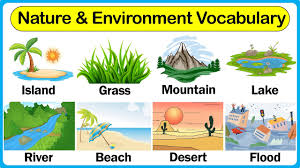
30 Nature Words You Should Know – Expand Your Environmental Vocabulary
Word Lists & Themes
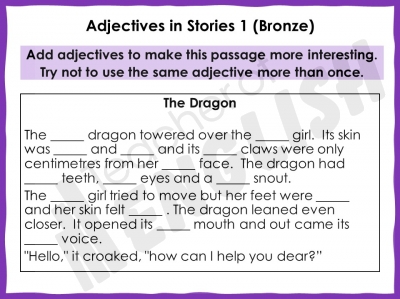
100 Descriptive Adjectives for Writers to Enhance Storytelling
Word Lists & Themes
Top 20 Business English Words You’ll Hear in Meetings
Word Lists & Themes
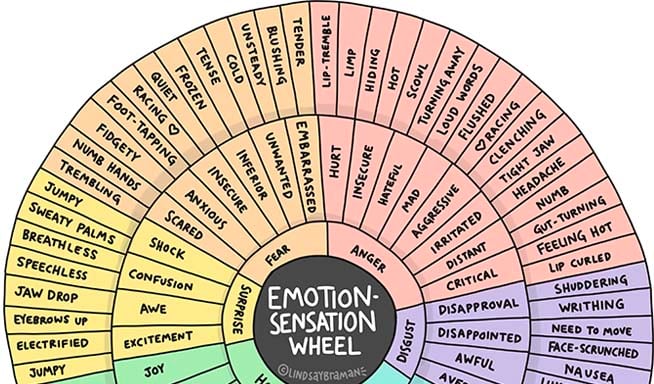
Vocabulary for Emotions – Words Beyond “Happy” and “Sad”
Word Lists & Themes
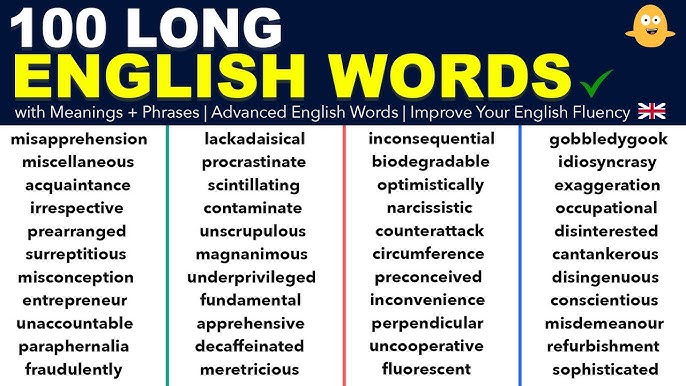
50 Powerful English Words to Improve Your Vocabulary
Word Lists & Themes
Transitive vs. Intransitive Verbs – Simple Grammar Explanation
Grammar in Context