
Vocabulary for Emotions – Words Beyond “Happy” and “Sad”
Vocabulary for Emotions – Words Beyond “Happy” and “Sad”
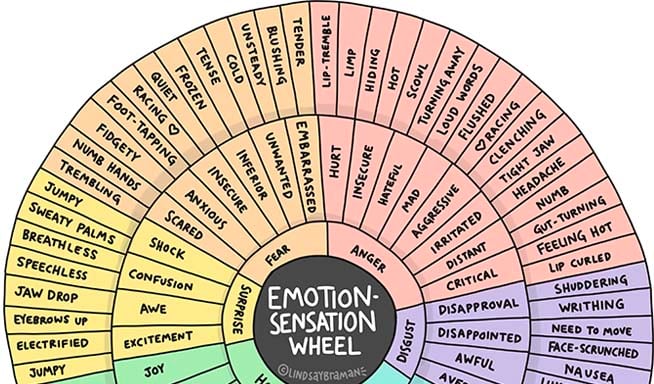
Emotions are a vital part of communication. But often, we limit ourselves to simple words like happy, sad, angry, or scared. In this guide, we’ll explore more precise and expressive vocabulary to help you describe feelings more accurately—ideal for writers, students, and English learners.
???? Words That Go Beyond “Happy”
- Joyful – A feeling of great happiness or delight.
- Ecstatic – Extremely happy and excited.
- Elated – Very happy, often due to success or a good result.
- Content – Peacefully happy and satisfied.
- Grateful – Feeling thankful and appreciative.
- Cheerful – Noticeably happy and optimistic.
- Exuberant – Overflowing with joy or enthusiasm.
- Relieved – Happy because something bad didn’t happen.
???? Words That Go Beyond “Sad”
- Disheartened – Feeling a loss of hope or confidence.
- Melancholy – A quiet, thoughtful sadness.
- Despondent – Extremely sad and hopeless.
- Downcast – Looking or feeling depressed.
- Heartbroken – Deeply hurt emotionally, especially after loss.
- Dismal – Gloomy, depressing, and bleak.
- Weepy – Feeling like crying or shedding tears.
- Sorrowful – Full of sorrow or grief.
???? Words That Go Beyond “Angry”
- Irritated – Slightly annoyed or bothered.
- Frustrated – Angry because of failure or obstacles.
- Enraged – Extremely angry or furious.
- Annoyed – Mild anger, usually due to small things.
- Resentful – Bitter about something unfair or hurtful.
- Furious – Violently angry.
- Outraged – Strong reaction to something unjust.
- Indignant – Angry due to feeling of injustice or insult.
???? Words That Go Beyond “Afraid”
- Anxious – Nervous or worried about something uncertain.
- Terrified – Extremely scared or frightened.
- Petrified – So scared that one feels frozen or unable to move.
- Nervous – Mild fear or stress before a challenge.
- Panicked – Fear causing confusion or inability to act.
- Dreadful – Feeling a strong sense of fear or unease.
- Apprehensive – Slightly afraid something bad will happen.
- Jumpy – Easily startled or frightened.
???? Words That Describe Calm & Peace
- Tranquil – Free from disturbance; peaceful.
- Serene – Calm, untroubled, and peaceful.
- Relaxed – Free from stress or tension.
- Composed – Calm and in control of emotions.
- Content – Peacefully happy and satisfied.
- Zen – A state of calm attentiveness and mindfulness.
???? Why Expanding Your Emotional Vocabulary Matters
- Better communication: You can express how you feel more clearly and honestly.
- Improved writing: Describing characters and emotions with precision adds depth to stories.
- Emotional intelligence: Understanding and naming emotions can help you manage them better.
???? Example Sentences
- She felt elated after hearing she got the scholarship.
- He looked disheartened after failing the test.
- The child was terrified of the thunderstorm.
- I’m feeling serene after the morning yoga session.
???? Conclusion
There are hundreds of words to describe emotions, each with a slightly different shade of meaning. By using words beyond “happy” or “sad,” you make your English more powerful and meaningful. Keep practicing these emotional words in writing and conversation to become more fluent and expressive.
? FAQs
1. How can I remember these emotional words?
Create flashcards, group similar words, and use them in real-life examples.
2. Are these words used in daily conversation?
Yes! Some are more formal, but many are common in everyday spoken and written English.
3. Can I use these in IELTS or other exams?
Absolutely. These words will help you impress in both writing and speaking sections.
4. Do these words have Urdu meanings?
Yes. Let me know if you’d like the Urdu translation version of this article.
5. Can I use these words in essays and emails?
Yes, especially words like “anxious,” “content,” “resentful,” “grateful,” etc., which are commonly used in professional and academic writing.
Popular Posts
30 Nature Words You Should Know – Expand Your Environmental Vocabulary
Word Lists & Themes
100 Descriptive Adjectives for Writers to Enhance Storytelling
Word Lists & Themes
Top 20 Business English Words You’ll Hear in Meetings
Word Lists & Themes
Vocabulary for Emotions – Words Beyond “Happy” and “Sad”
Word Lists & Themes
50 Powerful English Words to Improve Your Vocabulary
Word Lists & Themes
Transitive vs. Intransitive Verbs – Simple Grammar Explanation
Grammar in Context