
20 Commonly Misused English Words and Their Correct Meanings
20 Commonly Misused English Words and Their Correct Meanings
Effective Date: 2025-07-28
English is a tricky language, and even native speakers often get it wrong. Some words sound similar but mean very different things. In this guide, we’ll walk you through 20 commonly misused English words — and help you start using them correctly, once and for all!
1. Affect vs. Effect
Affect is usually a verb meaning “to influence.”
Effect is usually a noun meaning “the result.”
Example: The weather can affect your mood. / The effect of the storm was devastating.
2. Then vs. Than
Then is related to time. Than is used for comparisons.
Example: We ate dinner, then watched a movie. / She is taller than me.
3. Your vs. You’re
Your shows possession. You’re is short for “you are.”
Example: Your shoes are dirty. / You’re looking great today!
4. Its vs. It’s
Its is possessive. It’s means “it is.”
Example: The dog wagged its tail. / It’s a beautiful day.
5. Lose vs. Loose
Lose means to misplace or not win. Loose means not tight.
Example: Don’t lose your phone. / These pants are too loose.
6. Literally
This word means “actually.” Don’t use it for exaggeration.
Wrong: I literally died laughing.
Right: He literally ran 10 miles.
7. Fewer vs. Less
Fewer is for countable items. Less is for uncountable amounts.
Example: Fewer apples, less water.
8. Ironic
Something is ironic if it’s the opposite of what you expect — not just surprising.
Example: A fire station burning down is ironic.
9. Literally vs. Figuratively
Literally means it happened. Figuratively means it’s a figure of speech.
Example: He literally screamed. / She figuratively exploded with joy.
10. Who vs. Whom
Who is the subject; whom is the object.
Example: Who called you? / To whom did you speak?
11. Historic vs. Historical
Historic = Important in history. Historical = Related to history.
Example: A historic speech. / A historical novel.
12. Bring vs. Take
Bring = toward the speaker. Take = away from the speaker.
Example: Bring it to me. / Take it to school.
13. Lie vs. Lay
Lie = recline. Lay = to put down something.
Example: I lie down every afternoon. / I lay the book on the table.
14. Envy vs. Jealousy
Envy = want what others have. Jealousy = fear of losing something.
Example: She envies her friend’s talent. / He’s jealous of his brother’s popularity.
15. Principle vs. Principal
Principle = a rule. Principal = head of a school or main part.
Example: Honesty is a principle. / The school principal is retiring.
16. Compliment vs. Complement
Compliment = praise. Complement = completes or goes well with.
Example: She gave me a compliment. / That scarf complements your dress.
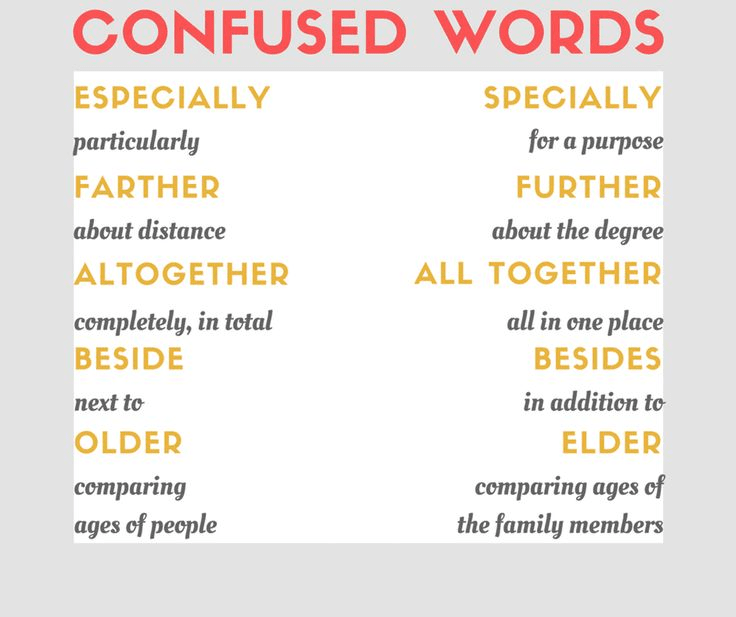
17. Farther vs. Further
Farther = physical distance. Further = metaphorical distance.
Example: He ran farther than I did. / Let’s discuss this further.
18. Assure vs. Ensure vs. Insure
Assure = to promise. Ensure = to make sure. Insure = for insurance.
Example: I assure you, it’s safe. / Ensure your safety. / Insure your car.
19. Discreet vs. Discrete
Discreet = careful. Discrete = separate or distinct.
Example: Be discreet in your comments. / There are three discrete parts to the project.
20. Emigrate vs. Immigrate
Emigrate = to leave a country. Immigrate = to enter a country.
Example: She emigrated from India. / He immigrated to Canada.
Conclusion
Language matters — especially when small word changes can make a big difference. By learning the true meanings of these commonly misused words, you can speak and write with greater confidence and clarity.
FAQs
1. Why do people misuse common English words?
Because some words sound alike or have similar spellings, they’re easy to confuse.
2. Is it okay to misuse words if people still understand?
While people may understand, correct usage improves clarity and professionalism.
3. How can I remember the difference between “affect” and “effect”?
Try the trick: “Affect is an Action” and “Effect is an End result.”
4. What’s the best way to improve my vocabulary?
Read regularly, use a dictionary or thesaurus, and try daily vocabulary apps.
5. Are these misused words relevant for IELTS or TOEFL?
Absolutely! These are important for all English learners and language exams.
Popular Posts
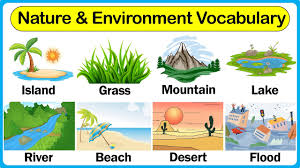
30 Nature Words You Should Know – Expand Your Environmental Vocabulary
Word Lists & Themes
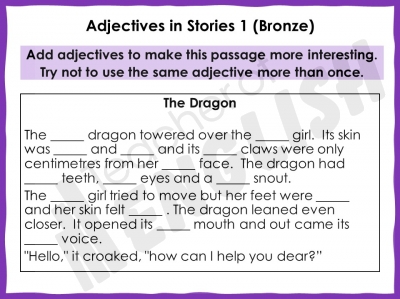
100 Descriptive Adjectives for Writers to Enhance Storytelling
Word Lists & Themes
Top 20 Business English Words You’ll Hear in Meetings
Word Lists & Themes
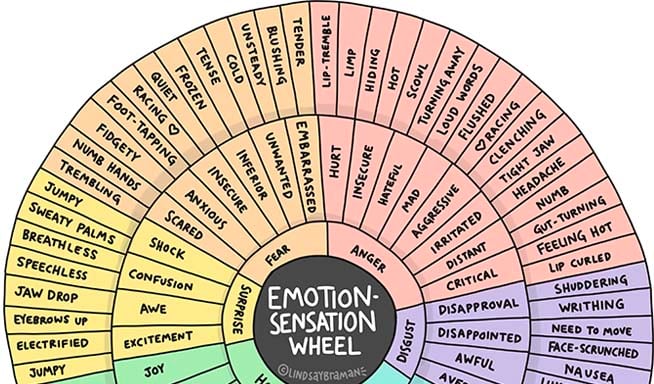
Vocabulary for Emotions – Words Beyond “Happy” and “Sad”
Word Lists & Themes
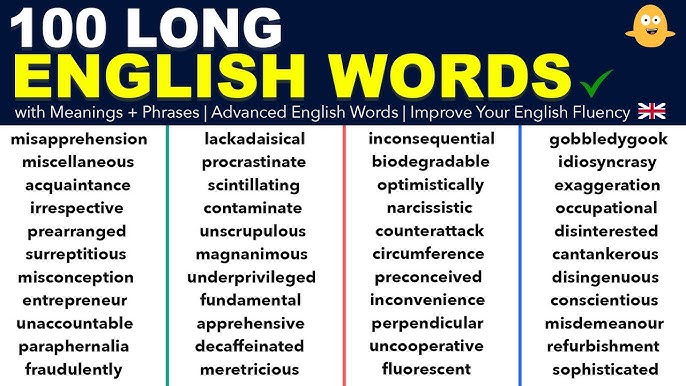
50 Powerful English Words to Improve Your Vocabulary
Word Lists & Themes
Transitive vs. Intransitive Verbs – Simple Grammar Explanation
Grammar in Context