

Who vs. Whom – Easy Grammar Guide with Examples
“Who” vs. “Whom” – Easy Grammar Guide
The difference between “who” and “whom” confuses even native English speakers. But don’t worry—it’s easier than you think! This guide will help you understand how to use “who” and “whom” correctly with examples and a simple Urdu explanation.
What’s the Basic Difference?
Who is used as a subject (????).
Whom is used as an object (?????).
Example:
- Who is calling me? (??? ???? ??? ?? ??? ???)
- To whom should I send the letter? (??? ?? ?? ?? ???????)
How to Remember the Rule Easily
Here’s a simple trick:
- If you can replace it with he/she/they ? use who
- If you can replace it with him/her/them ? use whom
Examples:
- Who is at the door? (He is at the door ?)
- Whom did you invite? (You invited him ?)
Usage in Sentences
When to Use “Who”:
- Who wants to go to the park?
- Who made this delicious cake?
- Who is responsible for this mess?
When to Use “Whom”:
- Whom are you waiting for?
- To whom should I speak about this issue?
- Whom did you meet at the conference?
Quick Urdu Summary (Urdu Explanation)
| Word | Use | Urdu Example |
|---|---|---|
| Who | ???? (Subject) | Who called you? (??? ??? ?? ?? ??? ???) |
| Whom | ????? (Object) | Whom did you call? (?? ?? ??? ??? ???) |
FAQs
1. Is it wrong to use “who” instead of “whom”?
In casual English, many people use “who” even when “whom” is correct. But in formal writing, use them correctly to sound more professional.
2. Can I use “whom” at the beginning of a question?
Yes. For example: “Whom are you calling?”
3. Is “whom” old-fashioned?
It’s less common in everyday speech, but still correct and preferred in formal writing.
4. Can you give one rule to remember forever?
If you can say “him/her” ? use “whom.” If you say “he/she” ? use “who.”
5. Should I always use “whom” in formal emails?
Yes, especially in job applications or professional writing—it shows strong grammar skills.
Conclusion
Mastering “who” vs. “whom” is simpler than it seems. With the he/him trick and a little practice, you’ll never be confused again. Use “who” as the subject and “whom” as the object, and you’re good to go!
Popular Posts
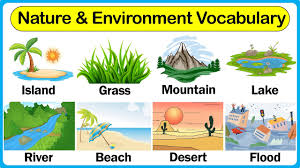
30 Nature Words You Should Know – Expand Your Environmental Vocabulary
Word Lists & Themes
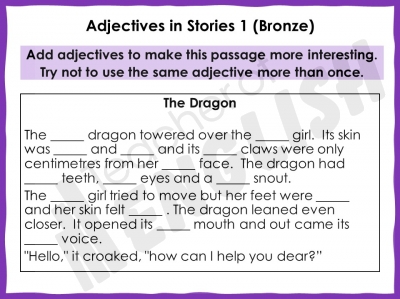
100 Descriptive Adjectives for Writers to Enhance Storytelling
Word Lists & Themes

Top 20 Business English Words You’ll Hear in Meetings
Word Lists & Themes
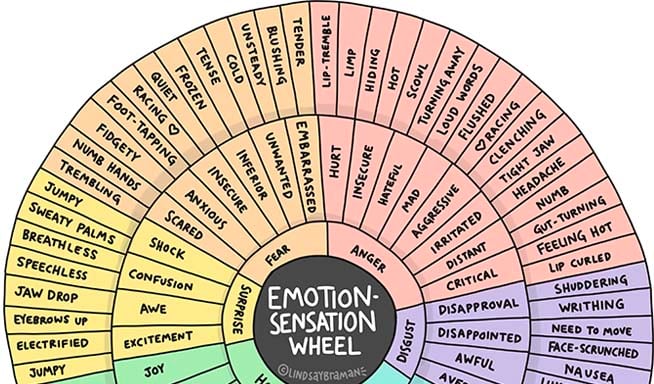
Vocabulary for Emotions – Words Beyond “Happy” and “Sad”
Word Lists & Themes
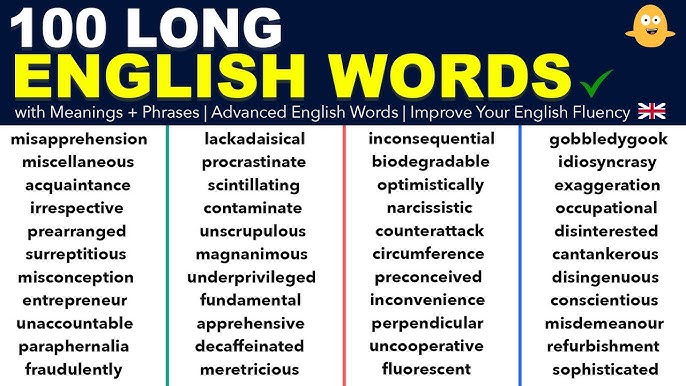
50 Powerful English Words to Improve Your Vocabulary
Word Lists & Themes
Transitive vs. Intransitive Verbs – Simple Grammar Explanation
Grammar in Context